
Even Coverage
Loose-fill fiberglass can move around framing, wiring and other attic obstacles, making it easier to create consistent coverage across irregular areas.
Insulation
Professional loose-fill fiberglass insulation for attics and other suitable spaces throughout Savannah, Coastal Georgia and the South Carolina Lowcountry. Blown-in fiberglass provides even coverage around framing, ductwork and hard-to-reach areas.
Get a Free Estimate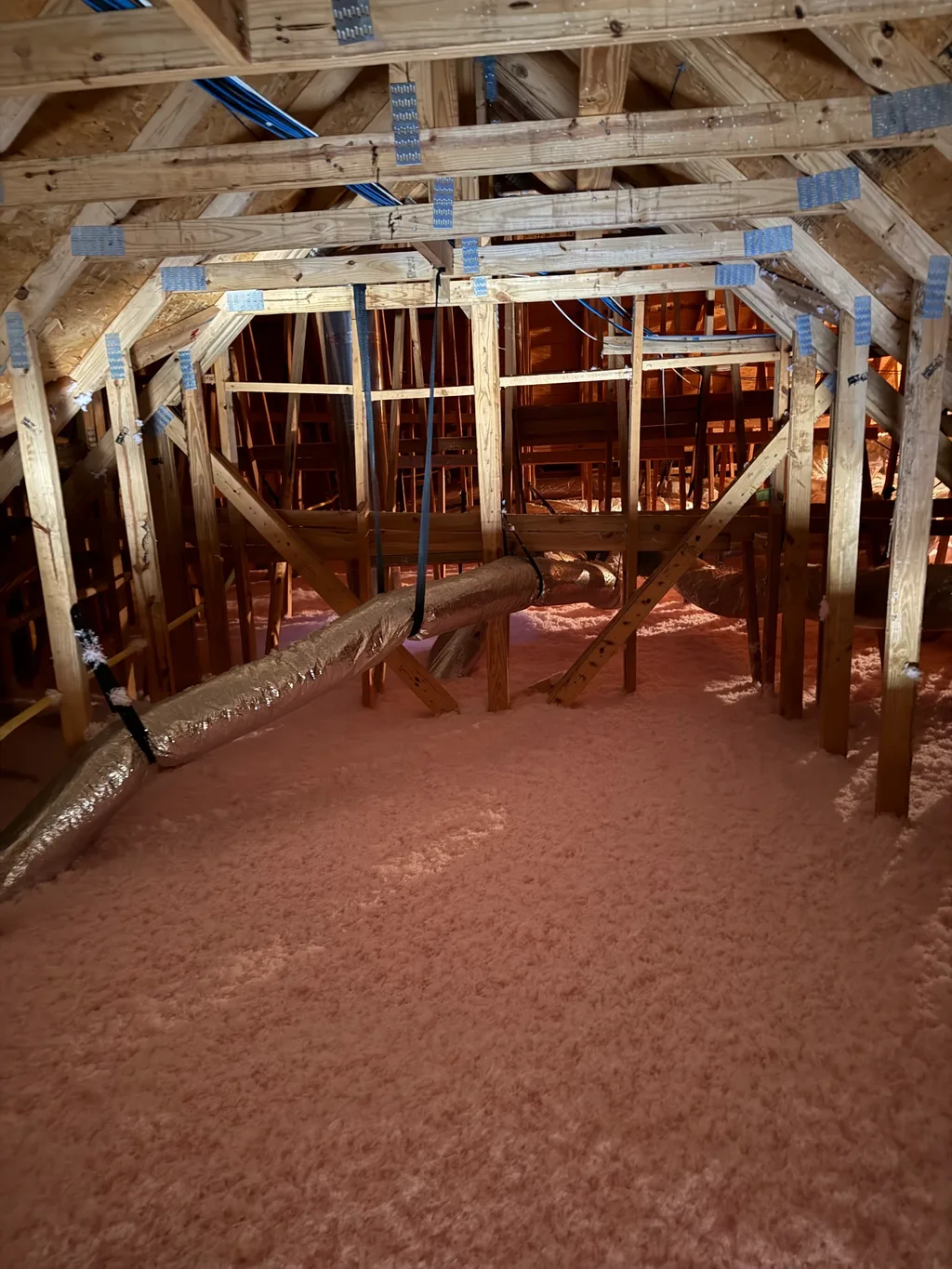
Attics and ceiling assemblies often contain framing, wiring, ductwork, and corners that are difficult to cover evenly with rigid or pre-cut materials. Blown-in fiberglass flows around those features, making it a practical option for existing homes, new construction, and selected residential or commercial areas that need broad thermal coverage without opening every finished surface.
The Basics
Blown-in fiberglass, also called loose-fill fiberglass, is made from small fiberglass fibers that are installed using specialized blowing equipment.
Instead of placing pre-cut sections between framing members, loose-fill material is distributed across the insulation area to a specified depth.
This makes it especially useful in attics and other spaces containing framing, wiring, ductwork and irregular areas that can be difficult to cover evenly with pre-cut materials. The Department of Energy identifies blown fiberglass as an option for existing vented attics and recommends installing it evenly across the attic floor after appropriate air sealing.
Advantages
Blown-in fiberglass can be a practical option for both existing homes and certain new construction projects. ENERGY STAR notes that loose-fill insulation is commonly used on attic floors and in hard-to-reach areas.
Loose-fill fiberglass can move around framing, wiring and other attic obstacles, making it easier to create consistent coverage across irregular areas.
In many homes, additional insulation can be installed without opening finished walls or ceilings.
In appropriate situations, loose-fill fiberglass can be added over existing insulation when the existing material is still suitable.
The installed insulation level is determined by the amount and depth of material added, so the project can be designed around the required R value.
With the proper blowing equipment, large attic areas can be covered efficiently and evenly.
Coastal Georgia
Attics in Savannah and Coastal Georgia experience significant heat throughout much of the year. Savannah falls within Climate Zone 2A, a warm, humid climate zone, which makes attic insulation particularly important for thermal performance and indoor comfort.
Blown-in fiberglass can be installed across the attic floor to create a continuous layer of thermal insulation while working around framing, ductwork and other obstacles. But insulation should not simply be blown into an attic without considering the rest of the space.
Roof Doctors looks at these conditions before recommending how much insulation should be added.
R Value
R value measures how well insulation resists heat flow. Loose-fill fiberglass does not have one universal R value per inch because performance varies by manufacturer, product density and installation.
That's why simply measuring the depth of insulation doesn't always tell the full story. Professional installation also considers the product's required density and coverage. The Department of Energy warns that installing loose fill at insufficient density can result in excessive settling and reduced R value.
≈ R 2.5
per inch
ENERGY STAR's general estimate for evaluating existing loose fiberglass. New installations should always follow the manufacturer's labeled coverage and R value specifications.
Climate Zone 2A
Because Savannah is in Climate Zone 2, ENERGY STAR's current retrofit guidance recommends approximately the levels shown here. These are general retrofit recommendations rather than a quote for every property.
That's why Roof Doctors evaluates the attic before determining how much material the project requires.
R 49
Recommended for an attic that currently has no insulation.
R 38
Recommended when the attic already has about 3 to 4 inches of insulation.
Find Out How Much Insulation Your Attic Needs
Get a Free EstimateHow It Works
We assess the planned area, access, existing material, and any preparation needed before installation.
Important openings and penetrations are addressed so loose-fill material stays within the intended space.
Specialized blowing equipment distributes fiberglass to the specified depth with attention to even coverage across accessible areas.
Blown-In vs. Batt
Both products use fiberglass, but the installation methods are very different.
Loose fiberglass is distributed with blowing equipment. It is particularly useful for broad attic areas and irregular spaces because it can flow around framing and obstacles.
Pre-cut or rolled sections designed to fit between framing members. They work well when cavities are accessible, regularly spaced and easy to fit accurately. Learn more about fiberglass batt insulation.
Blown-in fiberglass may provide more even coverage across an irregular attic floor, while batts may be a practical choice for open wall, floor and ceiling cavities. Neither option is automatically better — the right method depends on the space being insulated.
Compare Fiberglass Insulation Options
Get a Free EstimateBlown-In vs. Spray Foam
Homeowners often compare blown-in fiberglass with spray foam because both may be used in attic projects. The two systems work very differently.
Provides thermal resistance across the attic floor or another suitable assembly. It does not function as an air barrier by itself, which is why attic air sealing may need to be completed separately.
Expands during application and can provide both insulation and air sealing when installed correctly within an appropriate assembly. It usually involves a different project design, installation process and cost. Explore spray foam insulation.
Roof Doctors offers both, so we can evaluate the attic and discuss which approach makes sense rather than recommending the same material for every home.
Fiberglass vs. Cellulose
Fiberglass and cellulose are two common loose-fill insulation materials. Both can be blown into attic spaces, but they are made from different materials and have different characteristics.
Made from glass fibers.
ENERGY STAR estimates existing loose fiberglass at roughly R 2.5 per inch for simple homeowner inspections.
Generally made primarily from recycled paper fibers treated for fire and pest resistance.
ENERGY STAR estimates existing loose cellulose at roughly R 3.7 per inch for simple homeowner inspections.
Actual installed performance depends on the specific product and installed density, and R value per inch is only one factor. Existing attic conditions, required depth, air sealing, moisture, accessibility and installation quality all matter. Roof Doctors currently installs blown-in fiberglass.
Pricing
The cost of blown-in fiberglass insulation varies from home to home. Because of the variables involved, a generic price per square foot can be misleading.
The more useful approach is to evaluate the current attic, determine the desired insulation level and calculate how much material and labor are actually required.
Request a Blown-In Insulation Estimate
Get a Free Estimate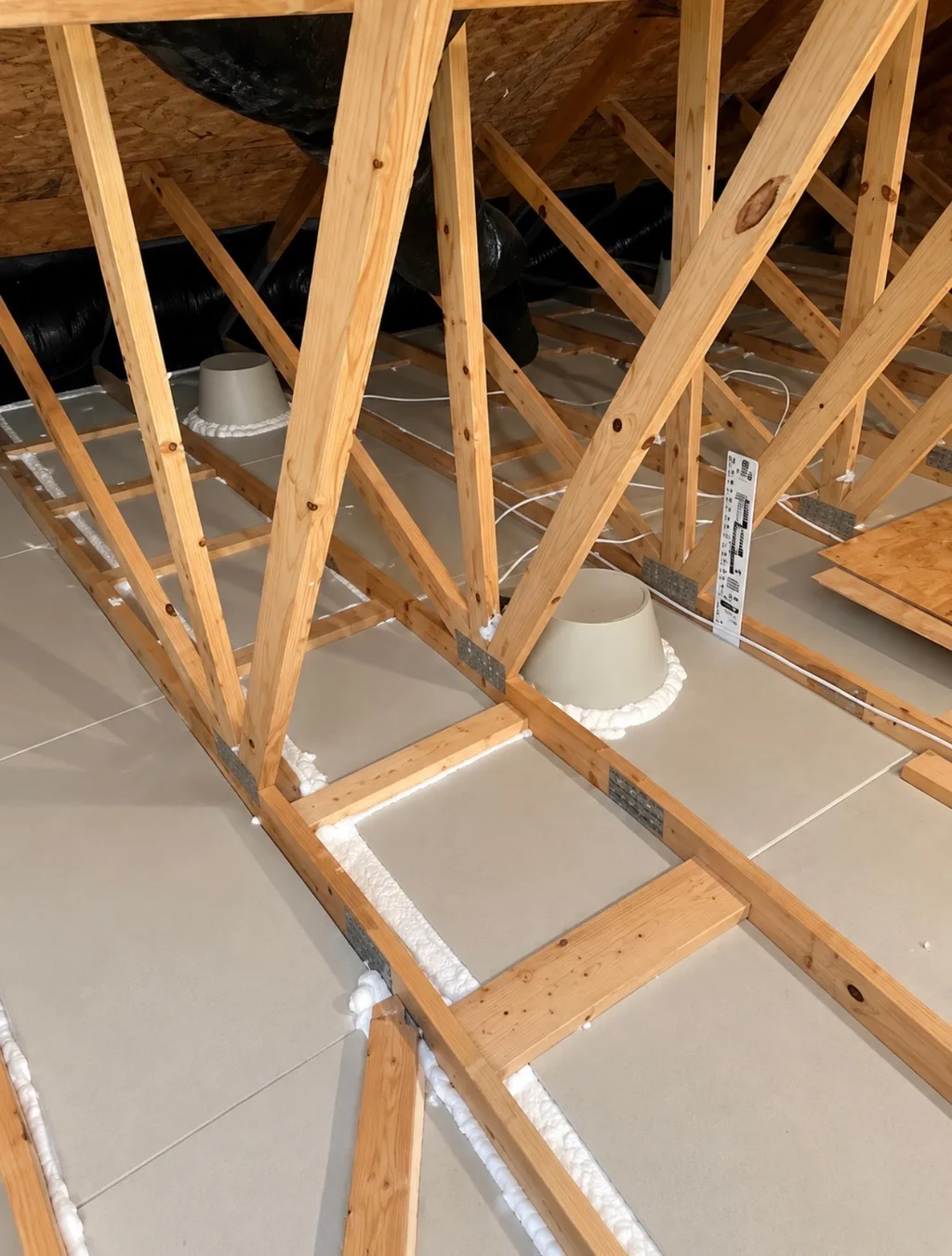
Air Sealing
In many attic projects, yes. Insulation and air sealing do different jobs: fiberglass slows heat transfer, while air sealing addresses gaps where air can move between the living space and attic. ENERGY STAR recommends air sealing before adding attic insulation.
This is one reason Roof Doctors offers both insulation and home air sealing services.
DIY vs. Pro
Some home improvement stores rent insulation blowing machines, so blown-in fiberglass can look like a straightforward DIY project. But the machine is only one part of the job. Proper installation also involves:
ENERGY STAR notes that loose-fill installation requires blowing equipment and that hiring a professional may be wise even though rental machines are available. Professional installers can also use depth markers and product coverage requirements to help confirm the intended insulation level has been installed.
Safety
Fiberglass insulation can irritate the skin, eyes and respiratory system during handling and installation. NIOSH identifies the eyes, skin and lungs as potential areas of concern for people exposed to fibrous glass.
Professional installers use appropriate protective equipment and take precautions while working in attic spaces. Once the project is complete, the fiberglass is intended to remain within the attic or insulated assembly rather than being disturbed during everyday use.
Settling
Loose-fill insulation can settle to some degree. The important issue is whether the material is installed according to the manufacturer's required coverage and density.
Professional installations should be based on the product's labeled specifications rather than simply making the insulation appear deep enough. The Department of Energy warns against installing loose fill at too low a density, because excessive settling can reduce the effective R value.
Older Homes
It can be a very practical option. Many older homes have attic insulation that is thin, uneven, compressed or below current recommended levels, and blown-in fiberglass can often be added across the attic floor with relatively little disruption to finished living areas.
But adding insulation on top of an existing problem is not the answer. Old insulation should first be evaluated for water damage, contamination, pest activity, significant deterioration, uneven coverage and air leakage beneath it. If existing material needs to come out first, Roof Doctors also provides insulation removal.
Potential Benefits
What To Expect
Tell us what you are noticing. We will evaluate the relevant roof, insulation, or attic conditions.
We explain the options that fit what we find and provide an estimate for the recommended work.
If you choose to move forward, the work is scheduled for an agreed date.
After service, we review the completed work with you and answer remaining questions.
Why Roof Doctors
Insulation is only one part of attic performance. We can also evaluate air sealing, insulation removal and ventilation concerns, including whether solar attic fans make sense.
Roof Doctors offers blown-in fiberglass, fiberglass batts, open cell spray foam and closed cell spray foam, so we can discuss the option that fits the project rather than relying on one material.
Blown-in insulation works best when the correct amount of material is distributed evenly across the intended area.
We serve Savannah, Coastal Georgia and the South Carolina Lowcountry.
Improving attic ventilation? See our solar attic fans.
Common Questions
It is loose-fill fiberglass distributed with specialized equipment to create even coverage across attics, ceilings, and other suitable irregular spaces.
Yes. Blown-in fiberglass is often useful for existing homes and buildings because it can reach around framing and other obstacles with relatively limited disruption.
That depends on its condition. Damaged, contaminated, degraded, settled, or unsuitable material may need to be removed before new fiberglass is installed.
Blown-in fiberglass can provide even coverage across attics and irregular areas, including around framing and other obstacles. It can also be useful when adding insulation to existing homes with limited disruption.
The exact R value depends on the product and installed density. ENERGY STAR uses approximately R 2.5 per inch as a general estimate for existing loose fiberglass insulation, but the manufacturer's specifications should be used for new installation.
That depends on the home's climate zone and existing insulation. Savannah is in Climate Zone 2A. ENERGY STAR recommends roughly R 49 for an uninsulated attic and R 38 when about 3 to 4 inches of insulation already exists.
Neither is automatically better. Blown-in fiberglass is particularly useful for large or irregular attic spaces, while batts work well in open and regularly framed cavities.
They serve different purposes. Blown fiberglass provides thermal insulation, while spray foam can also provide air sealing when correctly installed.
Sometimes. Existing insulation should first be evaluated for moisture damage, contamination, pests and other problems. ENERGY STAR notes that loose fill can be added over existing insulation when appropriate.
Often yes. Air sealing addresses unwanted air movement while insulation addresses heat flow. ENERGY STAR recommends sealing attic air leaks before adding insulation.
Some settling can occur. Correct installation density and following the manufacturer's coverage specifications help ensure the intended final performance.
Rental blowing equipment is available, but correct depth, air sealing, ventilation protection and attic safety all need to be considered. Professional installation can reduce the guesswork involved.
Cost depends on attic size, required R value, access, existing insulation and preparation requirements. An onsite estimate is more useful than a generic square foot price.
Service Area
Roof Doctors of Georgia provides blown-in fiberglass insulation throughout Savannah, Coastal Georgia and the South Carolina Lowcountry. Whether your attic needs additional insulation, old material removed or air sealing completed before new insulation is installed, Roof Doctors can evaluate the space and explain your options.
Ready to improve your attic insulation?
Request a Free EstimateRelated Services